

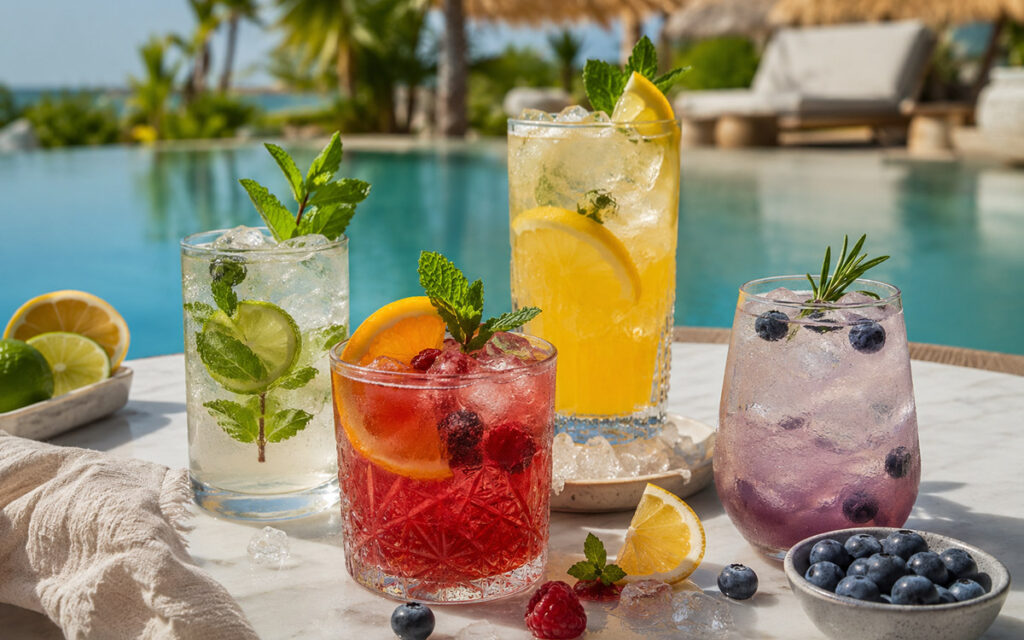
The best summer drinks are cold, vivid, and take less than 10 minutes to make. From a blended watermelon slush that tastes like August to a cucumber lemon cooler that feels spa-level sophisticated, homemade summer drinks beat anything from a bottle. This guide covers the classics plus some 2026 trends worth trying, including functional sips with fresh herbs and adaptogens that taste as delicious as they look.
There’s a specific joy in pulling a pitcher of something cold and beautiful from the fridge on a hot day. Not a soda, not a juice box. Something you actually made: the color of sunset, smelling faintly of fresh mint, with a lime wedge on the rim.
Homemade summer drinks don’t require a bar cart or advanced technique. They require good fruit, cold water, and the willingness to taste as you go. The recipes in this guide run from simple (three ingredients, five minutes) to slightly more involved (homemade syrups, muddled herbs) depending on how much effort you want to put into the occasion.
Whether you’re filling a pitcher for a backyard gathering, packing drinks for a picnic, or just trying to get through the afternoon heat, here are the refreshing summer drinks worth making at home this season.
Fruit-Infused Waters and Spa Sips
Infused water is the easiest upgrade you can make to your summer hydration routine. Drop sliced citrus, fresh berries, cucumber rounds, or fresh mint into a pitcher of cold water; let it sit in the fridge for a few hours, and what comes out tastes intentional and refreshing in a way that plain water simply doesn’t.
The combinations are nearly endless: cucumber and mint, strawberry and basil, lemon and thyme, watermelon and rosemary. The key is using fresh, ripe fruit and giving it time to steep. Whole Foods Market’s summer drink guide suggests overnight infusions produce the most flavorful results. Use a glass pitcher rather than plastic to let the fruit colors shine through.
This beverage is also one of the best drinks to bring to a picnic or outdoor gathering. It travels well in a sealed jar, looks beautiful poured over ice, and works for all ages. For pairing ideas when you’re planning a full outdoor spread, Orangism’s guide to easy picnic foods covers what to bring alongside your drinks.
Lemonade and Its Best Variations
Classic lemonade made from scratch tastes nothing like the powder or concentrate version. Fresh-squeezed juice, simple syrup, and cold water: that’s the whole formula. The ratio is roughly one part lemon juice to one part simple syrup to four parts water, adjusted to your taste. Start with this base and build on it.
Some of the most popular variations worth trying this summer: strawberry lemonade (blend fresh strawberries into the syrup), lavender lemonade (steep dried lavender in the simple syrup before straining), ginger lemonade (add fresh grated ginger to the syrup for heat), and sparkling lemonade (swap still water for sparkling mineral water).
Love and Lemons’ cocktail and drink guide treats lemonade as a base rather than a finished drink, which is the right approach. Once you have a good lemonade, you can build in almost any direction. Add a splash of fresh raspberry juice for color. Muddle fresh herbs into the bottom of the glass before pouring. The variations are the point.
Watermelon and Melon Drinks
There is no summer fruit more instantly thirst-quenching than watermelon, and it blends into drinks better than almost anything else. A simple watermelon slush requires nothing more than cubed seedless watermelon, ice, and a squeeze of lime blended until smooth. It’s cold, sweet, and bright red in the glass.
Cantaloupe agua fresca is another excellent option: blend ripe cantaloupe with water and a little sugar, strain through a fine-mesh strainer, and serve over ice with a pinch of salt and a squeeze of lime. The result is something that tastes more elegant than the ingredients suggest.
A Couple Cooks’ summer drink collection notes that melon drinks are particularly good for large batches, since watermelon and cantaloupe are high in water content and blend into a large yield. Make a pitcher, keep it cold, and refill glasses for hours.
A blended watermelon slush with lime takes five minutes to make and tastes like the best part of summer in a glass.
Tropical Blends: Mango, Pineapple, and Coconut
Tropical fruits make summer drinks feel like a vacation even when you’re standing in your kitchen. Mango, pineapple, and coconut are the core trio, and they work in combinations that are sweet without being cloying when you use fresh or frozen fruit rather than sweetened purees.
A simple mango pineapple cooler: blend fresh or frozen mango with pineapple juice, a squeeze of lime, and a cup of coconut water. Strain or serve as-is over crushed ice. It’s creamy enough to feel substantial and light enough to drink two glasses of in the afternoon heat.
For something with more texture, a pineapple coconut slush blended with ice and a spoonful of coconut cream lands close to a virgin piña colada. These are the drinks that work particularly well alongside the summer mocktail recipes on Orangism’s mocktail guide for anyone building a full non-alcoholic drinks menu.
Agua Fresca: The Latin Summer Classic
Agua fresca translates literally to “fresh water,” and it’s one of the most widely drunk summer beverages in Mexico and across Latin America. The formula is simple: blend a fruit with water, sweeten lightly, strain, and serve cold. Hibiscus (jamaica), tamarind, horchata, and fresh fruit varieties are all common. The results are delicate, refreshing, and far more compelling than most sodas.
Hibiscus agua fresca has a deep crimson color, a tart floral flavor, and a natural sweetness that doesn’t need much added sugar. It’s made by steeping dried hibiscus flowers in hot water, sweetening while warm, then chilling and serving over ice with lime. Fifteen Spatulas’ summer drink guide includes a solid version of this alongside cucumber coolers worth exploring.
The California connection is strong here. In Orange County and Los Angeles, agua fresca is sold at taquerias, food trucks, and farmers markets throughout the summer. It’s very much a Southern California summer staple, which is part of what makes it feel right alongside the California drinks and cocktail culture Orangism covers.
2026 Trends: Functional and Adaptogen-Spiked Sips
The biggest shift in summer drinks for 2026 is the rise of functional ingredients. Home mixologists are adding adaptogens (ashwagandha and lion’s mane), electrolytes, and nootropic herbs to drinks that would otherwise be simple fruit waters or lemonades. An elixir is a drink that tastes delicious and does something beyond hydrate.
Practically, the result looks like cucumber mint water with a scoop of electrolyte powder, a hibiscus iced tea with ashwagandha stirred in, or a sparkling lemonade with a dropper of lion’s mane tincture. The non-alcoholic cocktail movement that Orangism has covered shows the same direction: people want drinks with depth, complexity, and a reason to reach for them beyond thirst.
The trend also shows up in garnishes. Fresh herb sprigs, edible flowers, citrus wheels, and colorful ice cubes have moved from Instagram into everyday home drink-making.
Conclusion
The best summer drinks are the ones you’ll actually make, which means choosing recipes that work with what’s in season and how much time you have. A blended watermelon slush takes five minutes. A proper hibiscus agua fresca takes twenty minutes to make. Both are worth it.
Want to discover more amazing food, drinks, and travel experiences? Explore more guides from Orangism for the best restaurant picks, cocktail finds, destination inspiration, and local eats across Orange County and beyond.
For more food, drink, and travel inspiration, visit Orangism at orangism.com, your guide to eating, drinking, and exploring with confidence and curiosity.
Frequently Asked Questions
What are the easiest refreshing summer drinks to make at home?
Fruit-infused water is the simplest: add sliced citrus, berries, or cucumber to cold water and refrigerate for a few hours. Watermelon slush (blend watermelon with ice and lime) and fresh lemonade (lemon juice, simple syrup, and water) are both under five minutes. These three cover most occasions without requiring any special equipment.
How do I make agua fresca at home?
Blend your chosen fruit (watermelon, cantaloupe, or hibiscus flowers steeped in hot water) with cold water and a little sugar. Strain through a fine mesh sieve to remove pulp, then chill and serve over ice with a squeeze of lime. The ratio is roughly two cups of fruit to three cups of water, sweetened to taste.
What summer drinks work well for large outdoor gatherings?
Batch drinks are the practical choice for groups: a large pitcher of fresh lemonade, a watermelon agua fresca, or a tropical punch made with pineapple juice and coconut water all scale easily and hold well in a cooler. Make the base ahead of time and add ice and garnishes just before serving.
Are there refreshing summer drinks without sugar?
Yes. Unsweetened fruit-infused waters use no added sugar at all. Sparkling water with fresh citrus and herbs keeps things light. Hibiscus iced tea without sweetener has a natural tartness that’s refreshing on its own. Many fruits provide enough natural sweetness that you can reduce or eliminate added sugar once you taste as you go.
What are the best summer drink trends for 2026?
Functional drinks are the biggest trend this year: home mixologists are adding adaptogens like ashwagandha and lion’s mane, electrolyte powders, and fresh herbs to otherwise simple drinks. Zero-proof cocktails using non-alcoholic spirits have also grown significantly, offering complexity and sophistication without alcohol. Bold tropical fruit combinations and colorful, heavily garnished presentations round out the trend picture.