

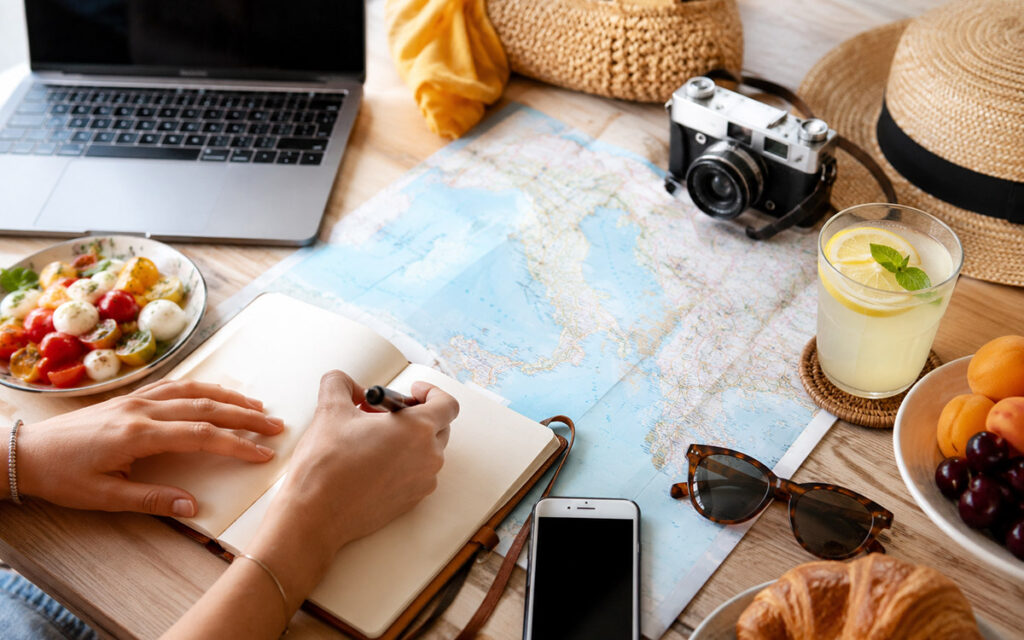
The most delicious summer trip you’ll ever take starts with research before you leave, a food tour on day one, and the discipline to skip the tourist-facing restaurants in favor of where locals actually eat. It also means timing your visit around a farmers market or local food festival, keeping one or two budget meals a day so you can splurge when it matters, and packing a few smart extras that make eating on the road easier.
A food-focused summer trip is a different kind of travel. The destination isn’t just a backdrop for your photos; it’s the reason for the whole itinerary. The best meal of the trip might be at a celebrated restaurant, but it’s just as likely to be a bowl of something you found by following a line of locals down a side street at noon.
This guide is for people who plan their trips around what they want to eat. Every tip here is practical and tested against real food travel, and none of them require a big budget or an unreasonable amount of advance planning.
Research the Food Scene Before You Land
The single most significant difference between a good food trip and a great one is preparation. Before you book flights, spend two or three hours understanding what the destination actually does well. Every standout food city or region has a native cuisine and a few things that are genuinely, specifically excellent there. Identify those things before you arrive, and build your eating plan around them rather than around whatever is most visible or heavily marketed.
Start with the local food press. Eater has city guides for most major US and international destinations. Local magazines (Texas Monthly for BBQ, Los Angeles Magazine for Southern California food, and New York Magazine for NYC dining) publish detailed eating guides that reflect what locals value rather than what’s optimized for out-of-town visitors. Orangism’s best food cities of 2026 guide is a good starting point for US destinations.
James Beard Foundation’s America’s Classics award list, Michelin’s Bib Gourmand (value) recommendations, and the Eater 38 lists for major cities all identify places worth eating based on criteria that align with food quality rather than marketing spend.
List your six to eight places before you go, with a clear sense of what each one is known for. You won’t eat at all of them, but having the research done means you’re choosing from good options throughout the trip rather than defaulting to whatever appears first in a search.
Time Your Visit Around Markets and Food Events
Summer is farmers market season in most of the United States, and the quality of a great summer farmers market as both a food source and a travel experience is difficult to overstate. The best ones (the Ferry Building in San Francisco, the Santa Barbara Farmers Market, and the Greenmarket in New York’s Union Square) attract serious producers selling directly to the public, which means access to fruit, cheese, bread, and prepared food that isn’t available in retail channels.
Orangism’s California culinary tourism guide covers how deeply the farm-to-table ethos connects to California’s farmers market infrastructure, but the principle applies broadly: knowing when and where the market runs should influence your travel schedule. A Saturday in a city with a vibrant Saturday farmers market is a different kind of morning than any other.
Beyond markets, summer brings food festivals that are genuinely worth scheduling around. The Maine Lobster Festival (August, Rockland, ME) and the New Orleans Satchmo SummerFest (which intersects with the local food scene) and dozens of regional crawfish, BBQ, and seafood festivals create concentrated food experiences that no single restaurant can replicate.
A great farmers market should influence your travel schedule. The Saturday version of a city with a serious Saturday market is worth planning your flight around.
Mix Famous Spots with Local Finds
Every food destination has famous restaurants that are well-known for a reason and others that are famous mainly because of marketing. The skill in food travel is telling the difference quickly and building an itinerary that mixes the former with the equally excellent local spots that haven’t earned national attention yet.
A useful rule: for every celebrated, reservation-required restaurant on your list, add one completely local spot that serves the same regional cuisine at a lower price and higher authenticity. Nashville has its famous hot chicken places, but the family-run spots in neighborhoods that don’t appear in travel magazines are often just as good and half the price. Orangism’s ultimate foodie travel guide fully develops this idea: the principle of eating where locals eat rather than where visitors are directed.
Local Facebook groups for the city or region you’re visiting serve as underused research tools. Asking where locals get their BBQ, their dumplings, their best breakfast taco, or their late-night slice in a group of people who actually live there produces better answers than any travel guide can.
Use a Food Tour as Your First-Day Anchor
A food tour on the first day of a trip does something no amount of pre-travel research can fully replicate: it gives you a local guide who eats in this city every day, takes you to places that require local knowledge to find, and feeds you enough across two to three hours that you come away with a map in your head of what’s worth returning to.
The best food tours are neighborhood-specific rather than city-wide, keep group sizes small, and are led by people who actually live in and eat in the neighborhood they’re guiding. In New Orleans, a Garden District food tour is more interesting than a generic “best of the city” sweep. In Los Angeles, a Koreatown or Boyle Heights tour is more valuable than a Hollywood highlights tour.
Orangism’s guide to drinking around the world covers the companion idea: that the best way into a city’s bar and drinks scene is through people who actually go out there. The same logic applies to food tours. Find someone who’s there year-round, not a seasonal operation serving the tourist peak.
Eat Well Without Overspending
Food travel has a reputation for being expensive, and it can be if every meal is a tasting menu. But the reality is that most of the best food on any memorable food trip is inexpensive. The crawfish boil in Louisiana, the breakfast tacos in Texas, and the clam chowder in a bread bowl in San Francisco: these are cheap meals that are also among the most satisfying things you’ll eat.
A practical approach: set one splurge meal per day (typically dinner) and keep breakfast and lunch in the $15 or under range by eating at markets, food halls, street vendors, and local diners. This approach lets you eat at one or two serious restaurants per trip without the whole budget being consumed by fine dining.
Orangism’s beach towns food guide makes the case that even in premium coastal destinations, the best food is often at the casual spots rather than the resort-facing restaurants: a fish shack beats a hotel dining room at half the price in most coastal towns. The principle scales: budget and quality are not as correlated in food travel as they are in most spending categories.
Food halls (Eataly, Time Out Market, Mercado Little Spain, and their regional equivalents) offer a useful middle ground: you can eat well from multiple vendors for under $20, sample the local food culture in one space, and identify the one stall or restaurant you want to return to for a full meal.
Pack Smart for Food Travel
The practical logistics of eating well on the road often get short shrift. A few items make a significant difference. A soft cooler or insulated bag handles farmers’ market purchases, picnic supplies, and anything you want to carry from a morning meal to a long afternoon. A small set of reusable containers means you can take leftovers seriously (the second day of great barbecue, eaten cold at a roadside pull-off, is one of life’s pleasures).
A portable wine key, a cloth napkin, and a small jar for olive oil or honey (if you’re stopping at producers) round out the kit for anyone who takes food travel seriously. None of this is expensive or heavy, and all of it extends the eating possibilities beyond what restaurants and takeaway packaging alone can support.
For summer specifically: keep water with you at all times, especially in hot climates. Good food tastes better when you’re well hydrated and not overheated, and a dehydrated, overheated afternoon is the most common cause of bad food decisions on any trip.
Conclusion
A great food trip is a different kind of travel, and it starts before you leave. Research the destination’s native cuisine, find where locals eat rather than where visitors are pointed, book a food tour for day one, time your visit around a market or festival, and keep your budget flexible enough to splurge on the meals that deserve it.
For more food, drink, and travel inspiration, visit Orangism at orangism.com, your guide to eating, drinking, and exploring with confidence and curiosity.
Frequently Asked Questions
How do I research a destination’s food scene before I travel?
Start with the local food press: Eater city guides, local food magazines, and the James Beard America’s Classics list. Search specifically for the native cuisine of the region rather than “best restaurants,” which tends to surface places optimized for visibility. Local Facebook groups and Reddit city communities often produce more honest recommendations than travel guides.
What is a food tour and how do I find a good one?
A food tour is a guided walk through a neighborhood that stops at multiple food spots, usually three to six, over two to three hours. The best ones focus on a specific neighborhood, keep group sizes under twelve, and local residents who eat in the area year-round lead them. Search for food tours through Airbnb Experiences, Viator, or directly through local tour operators rather than large booking platforms.
How do I eat well on a food trip without spending too much money?
Set one splurge meal per day and keep the others in the $15 or under range by eating at markets, food halls, street vendors, and local diners. Most of the most memorable food on any great food trip (tacos, BBQ, clam chowder, and farmers’ market produce) is inexpensive. Expensive and good are not as correlated in food travel as they are in most spending categories.
Should I make restaurant reservations before a summer food trip?
For any restaurant you’ve specifically identified as a must-do, yes. Reservations for popular spots in major food cities during the summer often fill four to six weeks in advance. For everything else, keep your schedule flexible: the best spontaneous finds happen when you’re not locked into a reservation at 8 p.m. OpenTable and Resy both allow same-day reservations at many restaurants, which helps balance planning with flexibility.
What is the best time of year for a food-focused summer trip in the USA?
Late June through August is peak farmers’ market season across most of the country, which makes it the best time for produce-driven food travel. Summer also brings outdoor food festivals and seafood in season (lobster in Maine, Dungeness crab on the Pacific Coast, Gulf shrimp in Louisiana). The trade-off is crowds and heat in popular destinations; early mornings and evening meals tend to be the most pleasant way to structure a summer food day.