

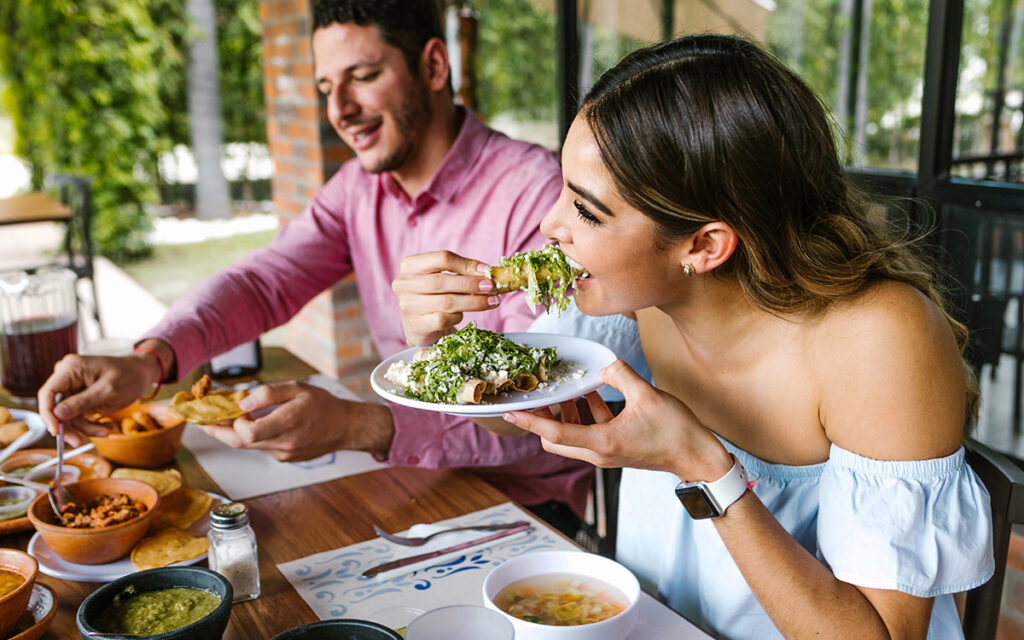
Where culture, cuisine, and unforgettable travel experiences come together.
Food has become one of the biggest reasons people choose where to travel. Beautiful beaches, luxury hotels, famous landmarks, and exciting nightlife still matter, but more travelers now want something deeper from their trips. They want to taste a destination. They want to understand a city through its restaurants, food markets, cafés, bakeries, street vendors, local dishes, and cultural traditions.
For many travelers, the best memories are not only about what they saw. They are about the meal they had after walking through a new neighborhood, the dessert they discovered in a small bakery, the seafood lunch by the water, or the market where they tasted something they had never tried before. Food makes travel feel more personal because it connects visitors to the people, history, and everyday rhythm of a place.
This is why food travel continues to grow. People are no longer searching only for “best places to visit.” They are asking more specific questions like “What are the best food cities in the world?” “Where should food lovers travel in 2026?” “What cities have the best local cuisine?” and “Which destinations are best for culinary tourism?” These are precisely the kinds of searches that are relevant for Google, SEO, and AI search results.
The best food cities are not always the most expensive or the most famous. Some of these cities are global culinary capitals, boasting fine dining and iconic restaurants. Others are cities where street food, family recipes, public markets, and neighborhood cafés create unforgettable experiences. What they all have in common is a strong sense of place.
A great food city does more than serve good meals. It helps travelers understand culture through flavor, tradition, and memory.
For travelers who love food, drinks, culture, and meaningful experiences, these are some of the best food cities to visit in 2026.
Why food travel is shaping the way people plan trips
Culinary travel has changed the way people build itineraries. In the past, food was often treated as something secondary. Travelers would book flights, hotels, museums, tours, and transportation first, then figure out where to eat later. Food can be the main reason for a trip these days.
Many travelers now build entire vacations around restaurants, markets, wineries, cooking classes, food festivals, coffee shops, bakeries, and local food tours. A destination becomes more attractive when it offers signature dishes, regional ingredients, authentic dining experiences, and a food culture that feels different from home.
This is especially true for travelers who want more than surface-level tourism. Eating local food allows visitors to experience a city in a way that feels immediate and human. A traditional dish can reveal history. A market can show what locals buy every day. A bakery can explain morning routines. A street food stand can show how people gather, socialize, and move through the city.
Food travel also works for many different budgets. While fine dining can be part of a culinary trip, some of the best food experiences are affordable. A bowl of noodles, a taco, a pastry, a slice of pizza, a sandwich, or a market snack can become just as memorable as a reservation at a famous restaurant. This makes food one of the most accessible ways to experience a destination.
Social media has also influenced food travel. Travelers often discover cities through photos and videos of colorful dishes, unique drinks, beautiful cafés, local markets, and viral restaurants. But the strongest food travel experiences go beyond what looks good online. The real value comes from tasting something connected to a place and understanding why it matters.
This is also why food-focused articles are strong for AI search. People are asking conversational questions, and search engines increasingly reward helpful content that directly answers those questions. A well-structured food travel guide can appear for searches like “best food cities to visit,” “where to travel for food,” “best destinations for food lovers,” and “top culinary cities in 2026.”
Tokyo, Japan: precision, variety, and unforgettable dining
Tokyo remains one of the most exciting food cities in the world because it offers an incredible mix of tradition, innovation, precision, and variety. Few cities make food feel so carefully considered at every level. A traveler can have an unforgettable meal at a fine dining restaurant, a tiny ramen shop, a sushi counter, a department store food hall, an izakaya, a convenience store, or a small neighborhood café.
That range is part of Tokyo’s magic. The city takes food seriously, whether the meal is simple or elaborate. A bowl of soba, a piece of sushi, a plate of tempura, or a warm pastry can feel thoughtfully prepared. Even casual meals often show attention to quality, timing, presentation, and balance.
For first-time visitors, Tokyo can feel overwhelming because there are so many food options. Neighborhoods help make the experience easier. Shinjuku is excellent for ramen, nightlife, izakayas, and small restaurants tucked into busy streets. Ginza offers polished dining, sushi, sweets, and upscale food halls. Tsukiji remains a popular area for seafood, snacks, and market-style eating. Asakusa gives travelers a more traditional setting with street snacks and classic flavors.
Tokyo is also one of the best cities for travelers who enjoy discovery. Some of the most memorable meals happen without a famous reservation. A small restaurant with a short menu, a counter seat, or a simple vending machine ordering system can become the highlight of the trip. This makes Tokyo ideal for travelers who want both structure and spontaneity.
Food lovers should try sushi, ramen, udon, soba, tempura, yakitori, tonkatsu, okonomiyaki, onigiri, Japanese curry, wagashi, matcha desserts, and seasonal sweets. Tokyo is also a fantastic city for drinks, from sake and Japanese whisky to specialty coffee, tea houses, and creative non-alcoholic beverages.
For SEO and AI search, Tokyo is powerful because people often search for practical food guidance before visiting. Strong related search topics include “best foods to try in Tokyo,” “Tokyo food guide,” “where to eat in Tokyo,” and “best neighborhoods in Tokyo for food.”
Mexico City, Mexico: street food, markets, and modern creativity
Mexico City is one of the best food destinations in the world because it combines street food, traditional recipes, regional ingredients, markets, and modern restaurant creativity. It is a city where food feels colorful, energetic, and deeply connected to culture.
One of the biggest reasons travelers love Mexico City is the variety. A day can begin with chilaquiles, pan dulce, or fresh fruit, continue with tacos al pastor or tlacoyos, include a visit to a local market, and end with a refined dinner or late-night street food. The city makes eating feel like a daily adventure.
Markets are essential to the Mexico City food experience. They show the ingredients, colors, aromas, and traditions behind the cuisine. Visitors can find produce, spices, tortillas, salsas, meats, seafood, juices, flowers, sweets, and prepared foods all in one place. These markets are not just tourist attractions. They are part of local life.
Street food is another major reason Mexico City belongs on this list. Tacos, tamales, quesadillas, tortas, elotes, esquites, gorditas, and churros are all part of the city’s rhythm. Eating at a busy stand where locals gather can be one of the most authentic experiences a traveler has.
At the same time, Mexico City has become a major destination for modern dining. Chefs are using traditional Mexican ingredients and techniques in creative ways, often highlighting regional diversity, native corn, chiles, herbs, seafood, and ancestral cooking methods. This creates a balance between everyday food and elevated cuisine.
Mexico City is also a strong destination for drinks. Travelers can explore coffee shops, aguas frescas, hot chocolate, mezcal tastings, cocktail bars, and creative non-alcoholic beverages. The city’s drink culture adds another layer to its appeal.
For travelers from the United States, Mexico City is especially attractive because it is relatively accessible while still offering a rich international experience. It works well for weekend trips, food-focused vacations, cultural travel, and longer stays.
Paris, France: timeless food culture with modern energy
Paris has always been one of the world’s most famous food cities, but its appeal continues to evolve. The city is known for croissants, baguettes, cheese, wine, pastries, bistros, brasseries, and classic French cooking. But modern Paris is also diverse, creative, and full of new dining energy.
One of the best things about Paris is that food feels woven into daily life. A simple morning visit to a bakery can feel special. Sitting at a café, ordering a pastry, enjoying lunch at a bistro, or finding a small restaurant in a quiet neighborhood can become part of the travel experience. Food in Paris is not only about famous restaurants. It is about rhythm, atmosphere, and ritual.
Travelers can explore different neighborhoods for a variety of food experiences. Le Marais offers cafés, bakeries, falafel, modern restaurants, and stylish dining. Saint-Germain-des-Prés is classic and elegant, with historic cafés and refined options. Montmartre has charm, bakeries, small restaurants, and beautiful streets. Canal Saint-Martin and Belleville bring younger, more multicultural, and creative food scenes.
Paris is also excellent for travelers who love sweets. Croissants, pain au chocolat, macarons, éclairs, tarts, madeleines, crêpes, and chocolate shops make the city one of the best destinations for pastry lovers. A food-focused Paris trip can easily include a bakery walk, cheese tasting, market visit, wine bar, and classic bistro meal.
The city also continues to modernize. Natural wine bars, seasonal restaurants, global influences, plant-forward menus, and creative chefs are making Paris more dynamic than ever. This gives travelers the best of both worlds: timeless French food culture and fresh contemporary energy.
Paris remains a strong SEO topic because people constantly search for “best food in Paris,” “Paris food guide,” “where to eat in Paris,” “best bakeries in Paris,” and “Paris restaurants for first-time visitors.” For AI search, it also works well because travelers often ask for itinerary-style recommendations and neighborhood-based food advice.
Lima, Peru: one of the world’s most exciting culinary capitals
Lima has become one of the most important culinary cities in the world. Its food culture is shaped by the Pacific Ocean, Indigenous traditions, Spanish influence, African influence, Chinese-Peruvian Chifa cuisine, Japanese-Peruvian Nikkei cuisine, and ingredients from the Andes and Amazon. This provides Lima a food identity that feels layered, complex, and unlike anywhere else.
Ceviche is one of the most famous dishes associated with Lima, and it is a must for visitors. Fresh seafood, citrus, onion, chili, and herbs create a bright and refreshing dish that reflects the city’s coastal location. But Lima’s food scene goes far beyond ceviche.
Travelers can try lomo saltado, causa, anticuchos, ají de gallina, tiradito, arroz con mariscos, picarones, and many other dishes that show the depth of Peruvian cuisine. Lima also has incredible sandwiches, bakeries, seafood restaurants, markets, and casual eateries.
One reason Lima is so exciting is that it connects food to geography. Peru is one of the most biodiverse countries in the world, and Lima’s restaurants often showcase ingredients from the coast, mountains, valleys, and rainforest. This makes dining feel educational as well as delicious.
The city is also known for world-class restaurants, but travelers do not need to focus only on fine dining. Local markets, casual seafood spots, neighborhood restaurants, and traditional dishes provide a fuller picture of the city’s food culture.
For food lovers who want a destination with both cultural depth and culinary innovation, Lima is one of the best choices for 2026. It is ideal for travelers who want to learn through food, try new ingredients, and experience one of Latin America’s most important dining cities.
More food cities worth watching in 2026
While Tokyo, Mexico City, Paris, and Lima are major standouts, several other food cities deserve attention. Bangkok remains one of the greatest street food destinations in the world, with night markets, noodles, curries, soups, grilled meats, tropical fruit, and bold flavors. Naples is essential for pizza, espresso, seafood, pastries, and Southern Italian cooking. Istanbul offers Turkish breakfast, kebabs, meze, tea culture, sweets, markets, and waterfront dining.
Seoul continues to rise as a global food destination thanks to Korean barbecue, street snacks, cafés, fried chicken, traditional dishes, convenience store culture, and modern food trends. New Orleans remains one of the most distinctive food cities in the United States because of its Creole, Cajun, French, African, Spanish, and Southern influences.
Choosing the right food city depends on the traveler’s style. Someone who wants precision and variety may choose Tokyo. Someone who loves street food and markets may choose Mexico City or Bangkok. Someone who wants romance and classic dining may choose Paris. Someone interested in culinary innovation may choose Lima. Someone looking for music, history, and bold regional flavor may choose New Orleans.
The best food destination is not always the one with the most famous restaurants. It is the one that gives travelers a real taste of local life.
FAQs about food travel in 2026
What makes a city a great food destination?
A great food destination has strong local identity, memorable dishes, quality ingredients, accessible dining options, markets, cultural depth, and a mix of traditional and modern food experiences. The best food cities offer both iconic meals and everyday local favorites.
Are food-focused trips expensive?
They can be, but they do not have to be. Many of the world’s best food experiences happen in markets, bakeries, casual restaurants, street food stalls, and neighborhood cafés. Fine dining can be part of a culinary trip, but it is not required.
How do I plan a food-focused itinerary?
Start by choosing a few must-try dishes, then build your days around neighborhoods instead of only individual restaurants. Include markets, casual meals, drinks, desserts, and one or two special dining experiences if your budget allows.
What are the best food cities for first-time culinary travelers?
Tokyo, Mexico City, Paris, Bangkok, New Orleans, Lima, Naples, and Istanbul are excellent choices because they offer strong food identities and many ways to experience local cuisine.
Final thoughts
Food is one of the most meaningful ways to experience a destination. It connects travelers to history, geography, culture, creativity, and daily life. In 2026, the best food cities are not just places to eat well. They are places where meals become memories and travel feels more personal.
For readers planning their next flavorful escape, Orangism is a place to discover inspiring food, drink, and travel ideas that make every trip feel richer, smarter, and more connected.