

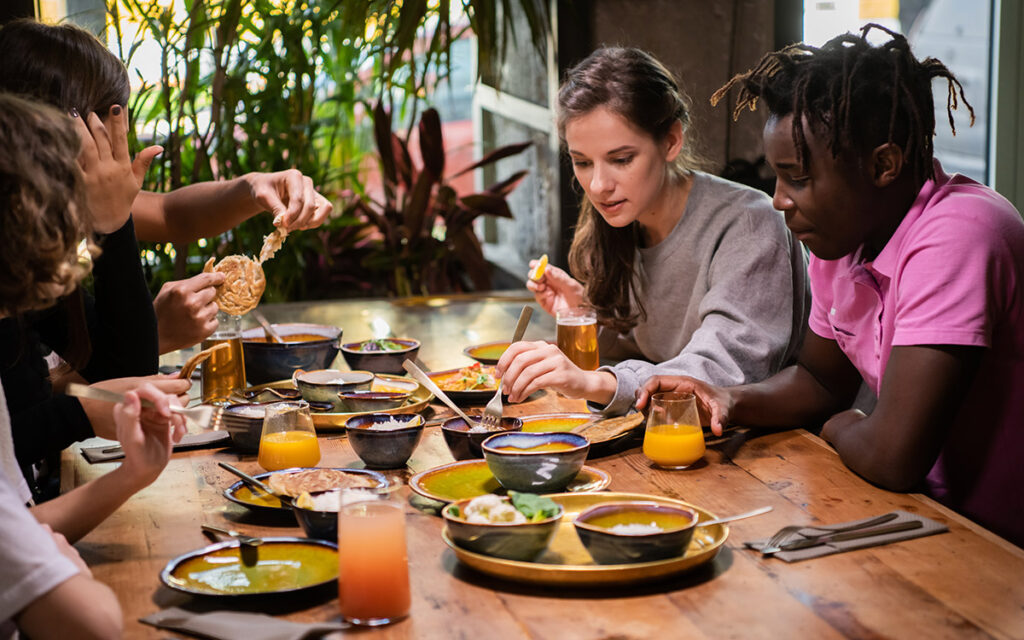
From hidden neighborhood gems to iconic dining destinations, learn how to experience a city through its most authentic flavors.
Modern travel is no longer just about landmarks and photo opportunities. It is about immersion, and nothing immerses you faster than a destination’s food and drink. The restaurants you choose, the coffee you sip in the morning, and even the late-night bites you discover all shape your perception of a place.
Across cities like Tokyo, Barcelona, and New York City, food culture defines daily life. Travelers who approach these destinations through a culinary lens often walk away with a richer, more memorable experience than those who simply follow traditional itineraries.
Skip the Tourist Traps and Find Local Favorites
One of the most common mistakes travelers make is relying heavily on highly visible restaurants in central locations. While some of these places are worth visiting, many cater more to convenience than authenticity.
In Tokyo, for example, instead of waiting in long lines at popular tourist ramen spots, locals often frequent smaller neighborhood shops where the quality is just as high, if not better. Places like Ichiran Ramen may be globally recognized, but hidden counters and family-run establishments often deliver a more personal and authentic experience.
Similarly, in Barcelona, stepping away from La Rambla opens up access to incredible tapas bars such as El Xampanyet, where locals gather for cava and small plates in a lively, unfiltered setting.
“The best meals while traveling are rarely the ones you plan, they are the ones you discover.”
Street Food as a Cultural Experience
Street food is not just convenient; it is cultural storytelling in its most accessible form. It reflects local ingredients, traditions, and eating habits.
In Bangkok, street vendors serve everything from pad thai to mango sticky rice, often perfected over decades. Markets like Chatuchak Market provide a dense and exciting introduction to Thai cuisine.
In Mexico City, tacos from neighborhood stands often rival high-end restaurant offerings. A stop at El Vilsito, which transforms from an auto shop by day into a taco hotspot at night, shows how deeply food is embedded in local culture.
Street food offers more than flavor. It provides context.
The Importance of Coffee and Café Culture
Cafés often serve as social anchors in cities around the world. They are places where people meet, work, and unwind.
In Paris, cafés such as Café de Flore are not just about coffee; they are part of the city’s identity. Sitting outside with an espresso becomes an experience tied to rhythm and lifestyle.
Meanwhile, Melbourne has built a global reputation for its coffee scene, with spots like Proud Mary Coffee pushing the boundaries of quality and technique.
Understanding café culture allows travelers to slow down and observe a city from within rather than rushing through it.
Drinking Like a Local: Bars, Wine, and Nightlife
Drinking culture varies significantly across regions, and participating in it respectfully can enhance your travel experience.
In New Orleans, cocktails are part of the city’s heritage. Historic bars like The Sazerac Bar offer a glimpse into classic American mixology.
In Italy, aperitivo culture transforms early evenings into social rituals. Ordering a spritz in Milan often comes with complimentary snacks, turning a simple drink into a full experience.
In California, wine regions like Napa Valley offer tastings that combine scenery, craftsmanship, and storytelling.
Balancing Planning and Spontaneity
Research is important, but overplanning can limit discovery. Having a few anchor reservations while leaving room for exploration creates a more dynamic and rewarding experience.
Ask locals, hotel staff, or even rideshare drivers where they eat. Often, these recommendations lead to places you would never find online.
Conclusion
Food and drink are not just components of travel. They are central to understanding a destination. Eating like a local requires curiosity, flexibility, and a willingness to step outside familiar comfort zones. The reward is a travel experience that feels personal, immersive, and unforgettable.
FAQs
How do I find authentic local restaurants while traveling?
Look beyond tourist-heavy areas, ask locals for recommendations, and explore neighborhoods where residents actually live.
Is street food safe to eat?
In most cases, yes. Choose vendors with high turnover and visible cleanliness.
Should I make restaurant reservations in advance?
For popular destinations, yes. But leave space for spontaneous discoveries.
What is the best way to experience local drinks?
Visit bars or cafés known for regional specialties and ask staff for recommendations.