

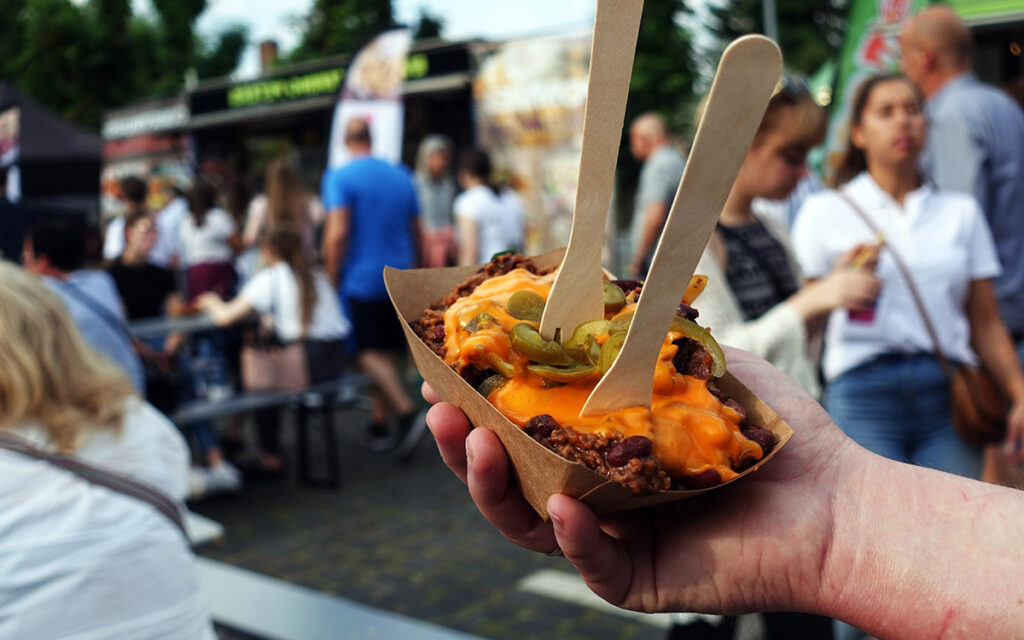
How local street eats and world-class restaurants together create the true identity of a city.
Every destination tells its story through food. Not just through its most famous restaurants, but through the entire spectrum of how people eat, from quick street-side bites to carefully crafted tasting menus.
In cities like Singapore, Mexico City, and Paris, the contrast between street food and fine dining is not a divide. It is a continuum. Each plays a role in shaping the identity of the place, offering travelers different ways to understand culture, history, and lifestyle.
To truly experience a destination, you need both.
Street Food: The Foundation of Flavor
Street food is often where a country’s culinary story begins. It is unfiltered, fast-paced, and deeply rooted in tradition. Recipes are usually not written down, but are passed through generations and refined over time.
In Singapore, hawker centers are not just convenient dining spaces. They are a cultural institution. At places like Tian Tian Hainanese Chicken Rice, you will experience dishes that have achieved global recognition while still being served in a casual, communal setting. The flavors are precise, the execution is consistent, and the experience is authentic.
Mexico City offers another powerful example. Street vendors serve tacos that rival any restaurant in complexity and flavor. El Vilsito has become iconic for this exact reason. What starts as a mechanic shop by day transforms into one of the city’s most talked-about taco spots at night.
Street food is not about simplicity. It is about mastery in its most accessible form.
“If you want to understand a city, start where the locals eat standing up.”
Markets as Culinary Gateways
Food markets sit somewhere between street food and formal dining, offering a curated but still authentic experience. They allow travelers to sample multiple dishes in one place while observing local food culture in action.
In Barcelona, La Boqueria is one of the most famous food markets in the world. While it attracts tourists, it still provides a genuine introduction to Spanish ingredients, from fresh seafood to cured meats.
In Tokyo, the outer areas of Tsukiji Outer Market continue to offer some of the freshest sushi and seafood experiences available, often served in small, standing-only counters.
Markets serve as essential stops for any food-focused traveler, as they seamlessly blend casual and curated dining experiences.
Fine Dining as Cultural Interpretation
While street food preserves tradition, fine dining often reinterprets it. High-end restaurants take familiar flavors and present them through a different lens, combining technique, creativity, and storytelling.
In Paris, dining at Le Meurice is not just about eating. It is about experiencing French cuisine at its most refined. Every plate reflects precision, history, and artistic intention.
Similarly, in Lima, restaurants such as Central have revolutionized the global perception of Peruvian cuisine. By incorporating ingredients from different altitudes and ecosystems, they tell a story that goes far beyond flavor.
Fine dining is not separate from local culture. It is an evolution of it.
Why You Need Both Experiences
Travelers often fall into one of two categories. Some chase high-end dining experiences, while others focus exclusively on local, budget-friendly options. The reality is that both perspectives are incomplete on their own.
Street food shows you how people actually eat. Fine dining shows you how chefs interpret and elevate those same traditions.
In cities like Bangkok, it is entirely possible to eat a world-class meal at a street stall in the morning and dine at a Michelin-starred restaurant at night. Shared ingredients and techniques often connect both experiences, making them equally valuable.
“The full story of a destination is told between the street corner and the chef’s table.”
How to Plan a Balanced Food Experience
To get the most out of your trip, approach food with intention but not rigidity.
Start by identifying one or two standout restaurants worth reserving in advance. Then, leave space in your schedule for spontaneous discoveries. Walk through neighborhoods, visit markets, and follow where locals gather.
Ask questions. Talk to vendors. Observe what people are ordering. These small actions often lead to the most memorable meals.
Avoid over-scheduling. Some of the best dining experiences happen when you least expect them.
Conclusion
Food is not just a part of travel. It is one of the most powerful ways to connect with a destination. From the energy of street food to the precision of fine dining, every layer adds depth to your experience.
When you embrace both, you gain a more complete understanding of a place, its people, and its culture. That is what transforms a trip into something unforgettable.
FAQs
Is street food safe to eat while traveling?
In most major food cities, yes. Look for vendors with high turnover, visible cleanliness, and local crowds, which are usually strong indicators of quality and safety.
How do I choose between street food and fine dining?
You do not have to choose. The best travel experiences include both, as they offer different perspectives on the same cuisine.
Are food markets worth visiting, or are they too touristy?
Many markets are tourist-friendly but still offer authentic food. Visiting early in the day often provides a more local experience.
How far in advance should I book fine dining restaurants?
Make reservations for popular restaurants at least a few weeks in advance, particularly in major cities.