




Why wellness-minded drinks are becoming the new center of modern gatherings.
Not long ago, ordering a non-alcoholic drink at a restaurant, party, event, or bar often felt like an afterthought. The choices were usually water, soda, lemonade, iced tea, or maybe a basic juice. If someone wanted something more elevated without alcohol, the experience rarely matched the attention given to cocktails, wine, or champagne. That has changed in a major way.
Healthy mocktails and functional drinks are now becoming some of the most creative and talked-about beverages in modern food and lifestyle culture. They are colorful, refreshing, sophisticated, and often made with ingredients that feel intentional. Instead of treating them as a substitute for something else, people are making them a category of their own.
This shift is not only about people avoiding alcohol. It is about flexibility. Many people still enjoy cocktails, wine, and traditional drinks, but they also want more options. They want to feel well the next morning. They want drinks that support hydration, energy, digestion, focus, mood, or relaxation. They want something beautiful to hold at a dinner party, brunch, rooftop gathering, or restaurant without feeling like they are missing out.
The rise of healthy mocktails and functional beverages is also changing how people socialize. A celebration no longer has to revolve around alcohol to feel special. A dinner does not need wine to feel complete. A night out can include botanical spritzes, sparkling adaptogenic drinks, fresh herb mocktails, kombucha-based beverages, non-alcoholic aperitifs, or functional sodas with prebiotics.
The new drink culture is not about removing the fun. It is about giving people more ways to celebrate, connect, relax, and feel good.
For Orangism readers who follow food, drinks, travel, wellness, and lifestyle trends, this is one of the most important beverage movements to watch.
Why healthy mocktails are having a major moment
Healthy mocktails are rising because they answer a real cultural need. People want drinks that feel festive and adult without always relying on alcohol. The word “mocktail” used to suggest something less exciting than a cocktail, but modern mocktails are different. They are built with balance, texture, aroma, flavor, garnish, and presentation in mind.
A great mocktail is not just fruit juice in a fancy glass. It can include fresh citrus, herbs, spices, bitters, botanical extracts, teas, sparkling water, coconut water, ginger, cucumber, berries, vinegar shrubs, fermented ingredients, and non-alcoholic spirits. The result can be bright, bitter, floral, smoky, spicy, creamy, tropical, earthy, or refreshing.
This matters because people want the ritual of drinking without always wanting the effects of alcohol. Holding a well-made drink at a social event can make people feel included. It provides the same sense of occasion, but with more control over how they feel.
One reason healthy mocktails have grown so quickly is the sober-curious movement. Many consumers are rethinking their relationship with alcohol, even if they are not fully sober. They may choose not to drink during the week, avoid alcohol at work events, take breaks for wellness reasons, or alternate between cocktails and non-alcoholic options. This has created demand for drinks that feel thoughtful rather than boring.
Restaurants and bars have responded by developing full zero-proof menus. Instead of offering one basic non-alcoholic option, many menus now include drinks with layered flavors and creative ingredients. Some restaurants even pair non-alcoholic drinks with tasting menus, giving guests a complete dining experience without wine or cocktails.
At home, mocktails have also become easier to make. People can use sparkling water, fresh fruit, herbs, flavored ice cubes, teas, syrups, bitters, citrus, and garnishes to create drinks that feel elevated without requiring professional bartending skills. Social media has made these drinks even more popular because they photograph beautifully and are remarkably simple to customize.
Healthy mocktails also fit several lifestyle trends at once. They work for wellness-focused consumers, pregnant people, designated drivers, athletes, younger adults, older adults, professionals, and anyone who simply wants to drink less. They also work at brunches, weddings, pool parties, holiday dinners, corporate events, wellness retreats, and casual gatherings.
What makes a drink functional?
Functional drinks are beverages designed to do more than taste good. They are often marketed around a specific purpose, such as supporting hydration, energy, digestion, relaxation, focus, immunity, or gut health. While not every functional drink delivers dramatic benefits, the category is growing because consumers are paying closer attention to ingredients and how drinks make them feel.
Common functional drink ingredients include electrolytes, prebiotics, probiotics, adaptogens, botanicals, amino acids, mushrooms, collagen, green tea, matcha, ginger, turmeric, magnesium, coconut water, and plant extracts. Some drinks are designed to replace soda. Others compete with coffee, energy drinks, cocktails, sports drinks, or wellness supplements.
The appeal is simple: people already drink throughout the day, so they want those drinks to feel more purposeful. A sparkling beverage that supports hydration may feel more appealing than a sugary soda. A calming herbal drink may feel better at night than a glass of wine. A prebiotic soda may feel like a smarter alternative to a traditional soft drink. A matcha or green tea drink may offer a gentler energy boost than coffee.
Functional beverages also reflect the way wellness has become more integrated into daily routines. People no longer think of health only in terms of exercise or diet. They consider sleep, stress, digestion, hydration, mental clarity, skin, mood, and long-term habits. Drinks have become part of that conversation.
This does not mean every trendy ingredient is necessary or every wellness claim should be accepted without question. Consumers should still read labels, understand sugar content, and be realistic about what a drink can actually do. But the larger trend is clear: people want beverages that align with how they want to feel.
For restaurants, hotels, cafés, and event planners, functional drinks create new opportunities. A brunch menu can include fresh juice blends, sparkling hydration drinks, and coffee alternatives. A hotel bar can offer calming evening mocktails. A spa can serve botanical tonics. A workplace event can include functional sodas and non-alcoholic spritzes instead of only beer and wine.
Modern consumers are not only asking what a drink tastes like. They are asking how it fits into their lifestyle.
The ingredients shaping the healthy drink movement
One of the reasons healthy mocktails and functional drinks are so exciting is the range of ingredients now being used. Beverage menus are becoming more creative because they borrow from wellness, global cuisine, mixology, herbal traditions, and culinary experimentation.
Fresh citrus remains one of the most important ingredients. Lemon, lime, grapefruit, orange, yuzu, and blood orange add brightness and acidity, helping mocktails feel balanced instead of overly sweet. Citrus also pairs well with herbs, spices, sparkling water, and botanical flavors.
Herbs are another major part of the movement. Mint, basil, rosemary, thyme, cilantro, sage, lavender, and lemongrass can entirely change the character of a drink. They add aroma and freshness, making a non-alcoholic beverage feel more complex.
Ginger and turmeric are especially popular because they bring warmth and intensity. Ginger adds spice and energy, while turmeric gives earthiness and color. Both ingredients are common in wellness drinks, juices, teas, and mocktails.
Tea is also becoming a powerful base for non-alcoholic drinks. Green tea, black tea, hibiscus tea, rooibos, chamomile, jasmine, matcha, chai, and yerba mate can provide depth without alcohol. Tea-based mocktails are especially useful because they can offer tannins, bitterness, caffeine, or calming qualities depending on the type used.
Fermented ingredients are another growing area. Kombucha, kefir water, shrubs, drinking vinegars, and fermented fruit bases can add acidity, bubbles, and complexity. These ingredients often appeal to people interested in gut health, but they also work because they create flavor that feels more adult than simple juice.
Sparkling water is still one of the most versatile ingredients. It adds texture, lightness, and refreshment. When paired with fresh fruit, herbs, tea, or botanical syrups, sparkling water can turn a simple drink into something that feels polished.
Non-alcoholic spirits, aperitifs, and bitters have also expanded the category. These products attempt to recreate the structure of traditional cocktails without alcohol. Some are botanical and herbal, while others mimic gin, whiskey, amaro, or aperitif-style drinks. They allow bartenders and home hosts to make zero-proof versions of classics while still offering complexity.
The best healthy drinks usually have balance. They are not too sweet, not too flat, and not too complicated. They combine acidity, aroma, texture, and visual appeal. A cucumber mint spritz, grapefruit rosemary cooler, hibiscus ginger fizz, matcha coconut refresher, or blood orange basil mocktail can feel just as special as a cocktail when made well.
How these drinks are changing restaurants, events, and travel
Healthy mocktails and functional drinks are not only changing what people order. They are changing the entire social experience around drinking. Restaurants, hotels, resorts, cafés, and event planners are realizing that guests want more inclusive beverage menus.
At restaurants, a strong non-alcoholic menu can make a dining experience feel more complete. Guests who are not drinking alcohol still want something that pairs with food and feels appropriate for the setting. A thoughtful mocktail can elevate dinner in the same way a cocktail or glass of wine can.
At weddings and private events, healthy mocktails are becoming especially popular. Hosts want to make sure every guest feels included, whether they drink alcohol or not. A signature mocktail can be just as memorable as a signature cocktail, especially when it matches the season, color palette, or theme of the event.
Hotels and resorts are also paying attention. Wellness travel continues to grow, and many travelers want drinks that support relaxation, hydration, and balance. Poolside mocktails, spa tonics, fresh juices, herbal iced teas, and functional smoothies can enhance the overall guest experience.
Airports, cafés, and fast-casual restaurants are also adapting. Functional sodas, bottled mocktails, kombucha, cold-pressed juices, matcha drinks, electrolyte beverages, and sparkling waters are becoming easier to find. This makes the trend more accessible and not limited to high-end bars.
Travel is another major part of the drink movement. People are interested in local beverages when they visit new places, and that now includes non-alcoholic and wellness-minded options. A traveler may want fresh agua fresca in Mexico, mint tea in Morocco, matcha in Japan, coconut water in a tropical destination, herbal infusions in Europe, or tropical fruit juices in Southeast Asia.
This creates great content opportunities for food and travel websites. Articles about best mocktails, functional drinks, alcohol-free travel, wellness beverages, healthy drinks at restaurants, and global non-alcoholic drink traditions can perform well because they connect multiple search categories.
For Orangism, this topic sits at the intersection of food, drinks, wellness, lifestyle, and travel. It is not only about recipes. It is about how people are changing the way they gather and celebrate.
Easy healthy mocktail ideas to try at home
One reason this trend is so approachable is that you can make healthy mocktails without complicated ingredients. A few simple ingredients can create drinks that feel refreshing and elevated.
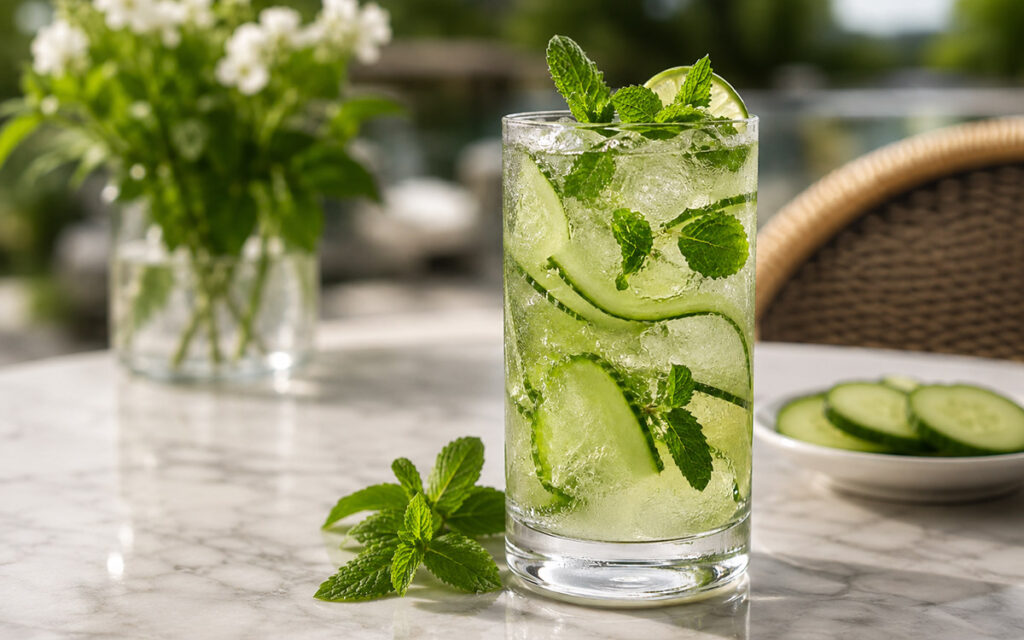
A cucumber-mint spritz is a perfect place to start. Combine cucumber slices, fresh mint, lime juice, and sparkling water. Add a touch of honey or agave if desired. The result is light, cooling, and perfect for warm weather.
A grapefruit rosemary cooler offers a more grown-up flavor. Grapefruit juice, rosemary syrup, lemon juice, and sparkling water create a drink that is bright, slightly bitter, and aromatic. It works well for brunch, dinner parties, and holiday gatherings.
A hibiscus-ginger fizz is bold and colorful. Brew hibiscus tea, chill it, then mix with ginger, lime, and sparkling water. This drink has a beautiful red color and a tart flavor that feels festive without being too sweet.
A matcha coconut refresher works well for people who want something energizing. Matcha, coconut water, lime, and ice create a drink that feels clean and modern. It can be served as an afternoon pick-me-up or a brunch beverage.
A berry basil smash is easy and crowd-friendly. Muddle berries with basil and lemon, then top with sparkling water. The flavor is fresh, fruity, and bright, but the basil keeps it from tasting like a basic juice.
The key is to think like a bartender, even when making non-alcoholic drinks. Balance sweetness with acidity. Add aroma with herbs or citrus peels. Use bubbles for texture. Serve in a beautiful glass. Add a garnish that makes the drink feel intentional.
FAQs about healthy mocktails and functional drinks
Are mocktails healthier than cocktails?
Mocktails can be a healthier choice when they are lower in sugar and made with fresh ingredients, herbs, teas, sparkling water, or functional additions. However, some mocktails can still be very sweet, so ingredients matter.
What is the difference between a mocktail and a functional drink?
A mocktail is a non-alcoholic drink designed to feel like a cocktail or elevated social beverage. A functional drink is usually made with ingredients connected to a purpose, such as hydration, energy, relaxation, digestion, or gut health.
Are functional drinks really good for you?
Some functional drinks can support hydration or provide beneficial ingredients, but not all claims are equal. It is important to read labels, watch added sugar, and understand that drinks should support a healthy lifestyle rather than replace balanced habits.
What are the best ingredients for healthy mocktails?
Fresh citrus, herbs, ginger, cucumber, berries, tea, sparkling water, coconut water, hibiscus, mint, basil, rosemary, and low-sugar natural sweeteners are all excellent ingredients for healthy mocktails.
Why are non-alcoholic drinks becoming more popular?
People want more choices when they socialize. Many are drinking less, focusing on wellness, avoiding hangovers, or looking for drinks that feel festive without alcohol. Restaurants and brands are responding with better non-alcoholic options.
Final thoughts
Healthy mocktails and functional drinks are changing how people think about socializing. They make gatherings more inclusive, more flexible, and more aligned with modern wellness habits. Instead of treating non-alcoholic drinks as boring alternatives, today’s beverage culture is turning them into creative, stylish, and flavorful experiences.
This movement is not about telling people what they should or should not drink. It is about expanding the menu. It gives people the freedom to choose a drink that matches the moment, their mood, and how they want to feel afterward.
For readers looking for fresh ideas in food, drinks, wellness, and lifestyle, Orangism is a place to discover trends that make everyday experiences more enjoyable, thoughtful, and inspired.


